

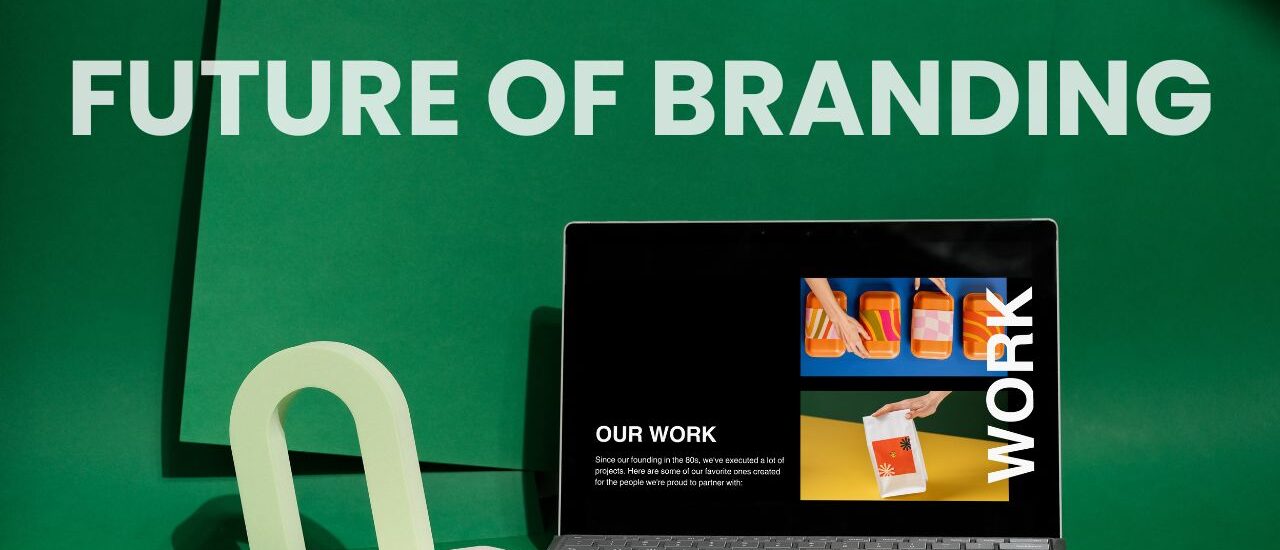
Branding has evolved far beyond logos, slogans, and advertisements. In today’s modern business environment, branding is about creating experiences, emotions, and meaningful connections with audiences. As technology continues to transform consumer behavior, businesses are now combining creativity with innovation to build stronger and more impactful brands.
Modern customers are more informed and digitally connected than ever before. They interact with brands through websites, social media platforms, mobile apps, online reviews, advertisements, and digital experiences. Because of this, businesses must maintain consistency and creativity across every customer touchpoint.
Technology has completely changed how brands communicate with their audiences. Websites are no longer just informational pages — they are interactive experiences designed with modern UI/UX principles. Businesses now focus on creating websites that are visually appealing, mobile-friendly, fast-loading, and optimized for user engagement.
Social media has also transformed the branding landscape. Platforms like Instagram, YouTube, LinkedIn, and Facebook have become essential tools for storytelling and audience engagement. Consumers want authentic, relatable, and visually engaging content from brands. Companies that create meaningful social media experiences often build stronger customer loyalty and recognition.
Artificial Intelligence is playing a major role in modern branding strategies. AI tools help businesses analyze customer behavior, predict market trends, personalize user experiences, and improve campaign performance. Brands can now deliver customized content and advertisements based on individual customer preferences, increasing engagement and conversions.
Video content is another powerful branding tool in the digital age. Short-form videos, cinematic brand stories, product showcases, and behind-the-scenes content help businesses connect emotionally with audiences. Video marketing creates higher engagement and improves brand recall significantly compared to static advertisements.
Packaging and visual identity have also become more important than ever. Consumers are naturally attracted to brands with strong aesthetics and memorable presentation. Modern branding involves color psychology, typography, packaging design, photography, and visual storytelling that align with brand values and audience expectations.
Traditional advertising still plays an important role in branding as well. Outdoor hoardings, transit branding, print media, and event promotions continue to create strong local visibility and trust. The most successful businesses today combine traditional and digital marketing strategies to maximize brand reach.
Consistency is one of the most important elements of branding. Customers should experience the same brand personality, messaging, and visual identity across all platforms. Whether someone visits a website, sees a billboard, or watches a social media advertisement, the brand experience should feel connected and recognizable.
Modern branding also focuses heavily on trust and customer experience. Businesses that provide value, transparency, and quality service naturally build stronger reputations. Positive online reviews, responsive communication, and customer satisfaction contribute significantly to long-term brand success.
The future of branding belongs to businesses that can balance creativity with technology. Brands that embrace innovation while maintaining authentic communication will continue to grow in highly competitive markets. Technology can improve efficiency and reach, but creativity remains the heart of every memorable brand.
As consumer expectations continue to evolve, businesses must focus on creating experiences rather than just advertisements. Strong branding is no longer about being seen — it is about being remembered.